In today’s fast-paced world, the convenience and allure of fast food have become an integral part of many people’s lives. However, beneath the surface of those mouth-watering burgers and crispy fries lies a complex web of strategies designed to make dining out addictive. This article delves into how the fast-food industry hooks consumers, the detrimental effects it has on our health, and the financial impact of frequent dining out.
Fast Food Defined—and Why It Matters
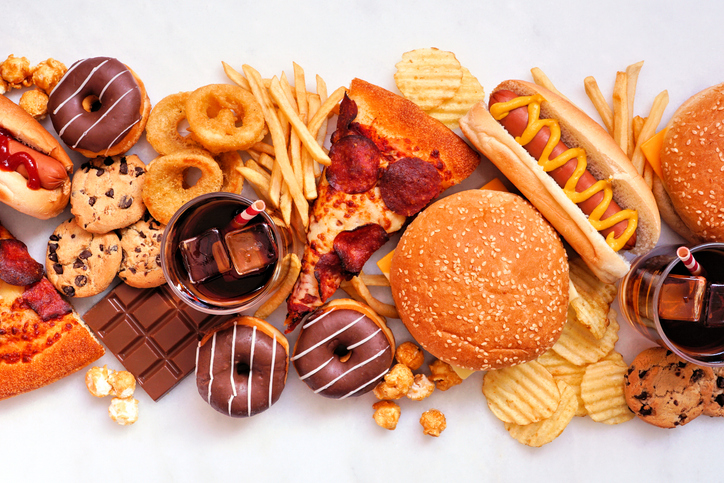
Fast food refers to food that can be prepared quickly and easily, typically sold in restaurants and snack bars as a quick meal or for takeout. It is often mass-produced with a strong emphasis on speed of service, using preheated or precooked ingredients. Common examples of fast food include burgers, fries, pizza, fried chicken, and sandwiches. These foods are often high in calories, unhealthy fats, sugars, and sodium, which can contribute to various health issues when consumed frequently.
The Science of Addiction in Fast Food (Processed and Ultra-Processed)
Fast food is engineered to be addictive. The industry employs a combination of ingredients, marketing tactics, and psychological triggers to keep consumers coming back for more.
Flavor Engineering: Fast food companies invest heavily in creating the perfect blend of salt, sugar, and fat. This combination triggers the brain’s reward system, releasing dopamine, a neurotransmitter associated with pleasure and addiction.
Portion Sizes: Over the years, portion sizes have increased significantly. Larger portions encourage overeating, leading to a cycle of craving and consumption.
Marketing and Advertising: Fast food companies use aggressive marketing strategies to target consumers, especially children. Bright colors, catchy jingles, and mascots create a sense of familiarity and comfort.
Convenience and Accessibility: The convenience of fast food is a major factor in its addictive nature.
Key Statistics on the Fast-Food Industry
Consumption Rates:
- 36.6% of adults consume fast food on any given day.
- 80% of Americans eat fast food at least once per month.
- 34% of children eat fast food daily.
Financial Impact:
- The average American spends about $1,200 per year on fast food.
- Over a lifetime, an individual in the U.S. spends approximately $70,500 on fast food.
- The fast-food industry in the U.S. is valued at $317.5 billion.
Industry Size:
- The fast-food industry employs 4.791 million people in the U.S.
- Worldwide, the fast-food industry is valued at $931.7 billion.
Demographics:
- Younger adults (ages 20-39) are more likely to eat fast food, with 44.9% of adults in this age group consuming it on any given day.
- Higher-income adults are more likely to consume fast food compared to lower-income adults.
Health Impact
Frequently consuming fast food has been shown to increase one’s risk of depression by up to 51%. Fast food can cause significant insulin spikes compared to home-cooked meals, due to:
Fast Food and Insulin Resistance
Unhealthy Fats: Fast food is high in unhealthy fats, such as trans fats, which can increase insulin resistance.
Portion Control: Fast food portions are often larger than necessary, leading to overeating and higher insulin spikes.
The Impact on Gut Health
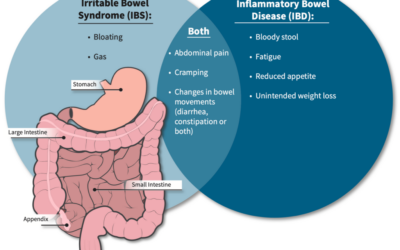
Fast food is typically high in refined sugars, unhealthy fats, and artificial additives, which alter the composition of gut microbiota, reducing the diversity of beneficial bacteria. This imbalance is linked to obesity, diabetes, and inflammatory bowel disease.
Inflammation: Chronic inflammation can lead to leaky gut syndrome, where the intestinal lining becomes permeable, allowing harmful substances to enter the bloodstream.
Constipation: Fast food is often low in fiber, which is essential for healthy digestion. A lack of fiber can lead to constipation, bloating, and other digestive issues.
Mental Health: A diet high in fast food is associated with an increased risk of depression and anxiety.
The Role of Cell Phone Use and Social Media
Excessive use of cell phones and social media disrupts our brain chemistry, leading to imbalances in dopamine and cortisol levels, which contribute to addictive behaviors.
Dopamine Imbalance: Social media platforms trigger dopamine, similar to fast food.
Cortisol Levels: Increased stress from excessive social media use drives individuals to seek comfort in fast food, creating a vicious cycle of addiction.
Sleep Disruption: Blue light emitted by screens interferes with melatonin production, disrupting sleep and hunger hormones.
The Dangers of Takeout and a Sedentary Lifestyle
The combination of frequent takeout meals and a sedentary lifestyle poses significant health risks.
Obesity and Chronic Diseases: Prolonged sitting and screen time increase the risk of obesity, diabetes, and cardiovascular diseases.
Mental Health Issues: Lack of physical activity leads to depression and anxiety, particularly in young adults.
Reduced Physical Fitness: Sedentary behavior leads to poor physical fitness and reduced muscle strength.
Financial Impact of Eating Out vs. Cooking at Home
Eating Out:
- Daily Coffee Runs: $5 x 20 workdays = $100
- Lunch Out: $12 x 20 workdays = $240
- Dinner Out (3x per week): $25 x 12 meals = $300
- Total monthly cost: $640
Cooking at Home:
- Average monthly grocery cost: $300-$400
- You could save $200-$300 a month by cooking more meals at home.
Impact on Children’s Health
Obesity: Fast food is a leading contributor to childhood obesity.
Nutritional Deficiencies: Fast food often lacks essential nutrients, leading to weakened immune systems.
Behavioral Issues: Diets high in unhealthy fats can cause mood swings and poor cognitive function.
Increased Risk of Chronic Diseases: Consuming fast food more than three times a week increases the risk of conditions like type 2 diabetes and asthma.
The Impact on Young and Middle-Aged Women
Women juggling caregiving responsibilities and full-time jobs are particularly vulnerable to stress and unhealthy eating habits.
Increased Stress Levels: Balancing caregiving and work elevates stress and cortisol levels.
Food Cravings: High stress levels trigger cravings for fast food.
Time Constraints: Busy schedules leave little time for preparing healthy meals, leading to unhealthy fast-food choices.
Breaking the Cycle
To break free from fast food addiction, consider the following strategies:
Mindful Eating: Pay attention to how food makes you feel.
Digital Detox: Set boundaries on social media and cell phone use.
Plan Ahead: Prepare healthy meals and snacks in advance.
Read Labels: Be aware of the ingredients in the food you consume.
Increase Fiber Intake: Incorporate more fruits, vegetables, and whole grains.
Stay Hydrated: Drink plenty of water throughout the day.
Seek Support: Consult a healthcare professional if breaking the cycle is difficult.
Conclusion
The fast-food industry’s strategies to make eating out addictive, combined with the impact of cell phone use, social media, and a sedentary lifestyle, have far-reaching consequences for our health and finances. By understanding these tactics and making conscious choices, we can break the cycle of addiction and promote a healthier lifestyle. If you’re struggling to break free from fast food’s hold, consider scheduling an appointment with a functional or integrative doctor. We can provide personalized guidance and support, helping you achieve better health and well-being.