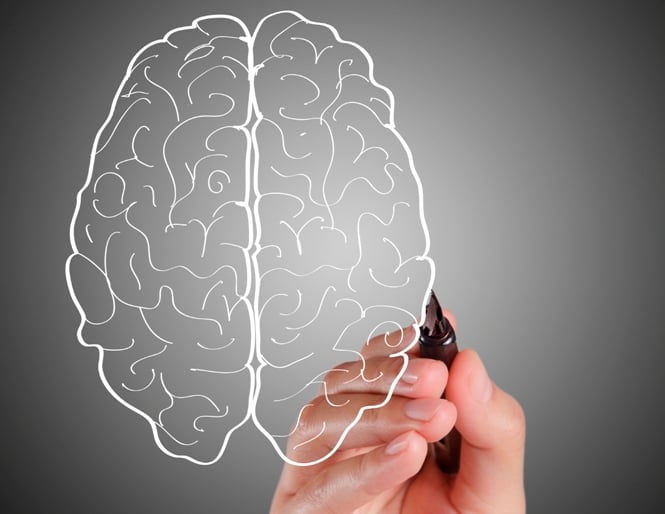
November is National Alzheimer’s Disease (AD) Awareness Month! Alzheimer’s disease is a brain disorder that slowly takes away a person’s memory, thinking and language skills, movement, perception, reasoning and judgment.
Alzheimer’s Disease is Not the Same as Normal Aging
In the US, AD affects 11% of those 65 and older, and 32% of those 85 and older. So while AD is associated with increasing age (80% of people with AD are 75 or older), it is not the same as normal aging!
In normal aging, you may occasionally forget or lose things, or have trouble “finding” a particular word, but sometime soon, you remember. With AD, you may forget what day it is, or where you are when you are somewhere that should be familiar. You may have trouble following familiar routines, recipes, or instructions. In short, a normal older person may be forgetful at times, but will remember things later and functions well. A person with AD has memory and thinking problems that keep getting worse and disrupt daily life.
What is Causing Alzheimer’s ?
AD is not caused by the aging of the brain, but by the accumulation of abnormal proteins called amyloid-β (sometimes referred to as brain plaques) and tau. In AD, the brain’s clearance of these proteins is decreased. The proteins drive inflammation in the brain. There is loss of cell connections and the brain shrinks. There are genes that are associated with an increased risk of developing the disease; the more copies of the gene, the higher your risk. But genetics does not account for 100% of the risk. There are things we can do to lower our risk.
Now for the good news. There are medications that can slow disease progression (by reducing plaques) and others that can help manage symptoms of Alzheimer’s (for example memory or behavioral issues), but generally, currently approved medications work better in the earlier stages of disease. As well, the plaque-reducing medications can have some rare but serious side effects, so a physician specializing in neurology with an interest in Alzheimer’s may be best to help sort through the options.
Help to Decrease Risk with Healthy Habits
Even better news: doing all the things we know we should do consistently, work to help decrease the risk of AD progression. Getting enough restorative sleep (even the position you sleep in can play a role!), regular physical activity, eating the rainbow of fruits and vegetables, keeping well hydrated, not smoking and keeping blood pressure and blood sugar in normal range all help decrease the risk. Even certain supplements have been shown to help, including omega 3 fatty acids (which you can get from fatty fish, but also carefully selected supplements) vitamins B, C and D. It may be that polyphenols like those found in commonly eaten foods such as citrus fruit (hesperdin), green tea (catechins), apples and onions (quercetin), grapes (resveratrol) and extra virgin olive oil also positively impact your risk.
Take charge of your future and increase your odds for healthy aging with good brain function, energy and grace. An integrative physician has advanced testing techniques to get a baseline for where you are now, and to develop a solid treatment plan for what you need going forward.