
Introduction
Candida overgrowth, or candidiasis, occurs when Candida yeast, naturally present in the body, grows excessively, leading to various health issues. This article explores its causes, symptoms, effects on immune and hormone health, and strategies for management and prevention.
Causes of Candida Overgrowth
- Antibiotics: Disrupt gut bacteria balance.
- Diet: High sugar and refined carbs fuel Candida.
- Weakened Immunity: Chronic stress, illness, or treatments like chemotherapy.
- Diabetes: Elevated blood sugar supports yeast growth.
- Hormonal Changes: Pregnancy, oral contraceptives, or hormonal imbalances.
Symptoms of Candida Overgrowth
- Oral Thrush: White patches in the mouth, soreness.
- Fatigue: Linked to nutrient deficiencies and immune strain.
- Digestive Issues: Bloating, constipation, diarrhea.
- Recurring Yeast Infections: Especially vaginal infections.
- Skin & Nail Fungal Infections: Red, itchy rashes, brittle nails.
- Brain Fog: Difficulty concentrating, mental sluggishness.
Impact on the Immune System
- Inflammation: Immune response triggers inflammation.
- Leaky Gut Syndrome: Candida weakens the gut lining, allowing toxins to enter the bloodstream.
- Immune Exhaustion: Persistent overgrowth strains immunity.
- Disrupted Gut Flora: A healthy microbiome is essential for immune balance.
Long-Term Effects
- Chronic Fatigue
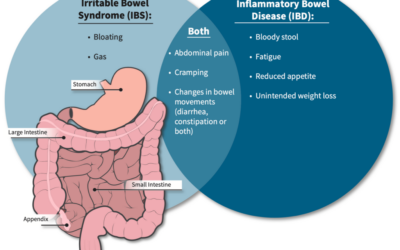
- Digestive Disorders (IBS, bloating)
- Systemic Infections (invasive candidiasis)
- Skin & Nail Fungal Infections
- Mental Health Issues (anxiety, depression)
- Compromised Immunity
Hormonal Effects & Fertility
Women:
- Estrogen dominance and progesterone depletion, leading to mood swings, weight changes, and irregular cycles.
- Increased risk of yeast infections due to hormonal shifts.
- Disrupted vaginal pH, which can affect sperm survival and fertility.
Men:
- Testosterone imbalance, which may contribute to fatigue and metabolic issues.
- Candida infections linked to prostatitis and potential effects on sperm quality.
General:
- Adrenal fatigue and thyroid dysfunction, contributing to hormone imbalances.
- Candida overgrowth can impact fertility by increasing inflammation and disrupting nutrient absorption.
Low Stomach Acid & Candida Overgrowth
- Weakens defense against pathogens.
- Leads to undigested food, feeding Candida.
- Disrupts gut microbiome balance.
Medications That Contribute to Candida Overgrowth
- Antibiotics: Kill beneficial gut bacteria.
- Corticosteroids & Immunosuppressants: Weaken immunity.
- Hormonal Contraceptives: Disrupt hormone levels.
- Diabetes Medications: Affect blood sugar balance.
Preventing Antifungal Resistance
- Complete antifungal treatments as prescribed.
- Avoid unnecessary antibiotic use.
- Maintain good hygiene and blood sugar levels.
- Follow a low-sugar, anti-Candida diet.
Best Supplements for Candida Overgrowth
- Caprylic Acid: Breaks down Candida cell walls.
- Oregano Oil & Garlic: Strong antifungal properties.
- Berberine: Inhibits Candida growth.
- Probiotics: Restore beneficial gut bacteria.
- Undecylenic Acid: Effective against Candida.
Lifestyle & Candida Overgrowth
- Chronic Stress: Weakens immunity, disrupts gut flora.
- Poor Diet: Sugar and processed foods promote Candida.
- Lack of Sleep & Exercise: Weaken immune defense.
- Alcohol & Tobacco: Disrupt gut balance.
Intermittent Fasting & Candida
Fasting supports Candida management by promoting autophagy, helping the body eliminate pathogens when combined with an anti-Candida diet.
Candida & Hypothyroidism
- Slow metabolism affects gut health.
- Weakened immunity increases susceptibility.
- Hormonal imbalances create a favorable environment for Candida.
Fermented Foods & Candida Overgrowth
Potential Benefits:
- Probiotics: Support gut balance.
- Lactic Acid Bacteria: Inhibit Candida growth.
Potential Risks:
- Yeast Content: Some fermented foods may exacerbate overgrowth.
- Sugar Content: Added sugars can feed Candida.
- Individual Sensitivity: Some may experience bloating or discomfort.
Candida & Autoimmune Disease
- Leaky Gut Syndrome: Candida damages the intestinal lining.
- Molecular Mimicry: Candida proteins resemble human tissues, potentially triggering autoimmunity.
- Chronic Inflammation: Disrupts immune regulation.
Cancer & Candida: The Connection
- Increased Incidence: High rates in cancer patients.
- Presence in Tumors: Candida found in cancerous tissues.
- Inflammation & Immune Suppression: Chronic inflammation contributes to cancer risk.
Candida & Psychiatric Disorders
- Nutrient Malabsorption: Deficiencies in zinc, B6 can affect mental health.
- Gut-Brain Axis Disruption: Affects cognitive function and mood.
- Chronic Inflammation: Linked to anxiety and depression.
Candida & Mold, Lyme Disease
- Weakened Immunity: Lyme disease and mold exposure make Candida harder to control.
- Symptom Overlap: Fatigue, brain fog, and digestive issues complicate diagnosis.
- Chronic Inflammatory Response Syndrome (CIRS): Mold toxins intensify symptoms.
Conclusion
Understanding the causes, symptoms, and health impacts of Candida overgrowth is essential for effective prevention and treatment. A proactive approach—through diet, lifestyle changes, targeted supplementation, and medical guidance—can help restore balance and support overall health. If you suspect Candida overgrowth, consult an experienced Integrative or Functional Medicine Provider for proper evaluation and care. Taking action today can help you regain control of your health and well-being.