Early Spring Means More Ticks
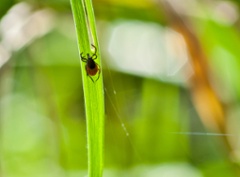
The NIHA doctors are already seeing a lot of patients with tick bites and Lyme disease due to the mild winter, early spring and other indicators of a large tick population in 2012.
The Washington Post ran an article this week in which Dr. Paul Beals is quoted in this excerpt:

Beals notes that infection rates may be even higher this year, thanks to a bumper crop of acorns in 2010 that swelled the local population of such rodents as the white-footed mouse, which passes the Lyme pathogen on to ticks. “It’s usually two years after that when we have a big surge of Lyme, and especially with the mild winter and early spring [which have bugs biting earlier], it’s clear that this is going to be a bad year for Lyme and other tick-borne diseases,” Beals said.
NIHA Information on Lyme Disease and Co-infections
Lyme Disease and Insect-borne Illness
2. Save the tick in a plastic baggie with a damp cotton ball (ticks can be tested) to take to your doctor.
3. Call our office or your primary care physician as soon as possible for treatment and to check the tick.