
Systemic inflammation is when the body’s response is constantly defending the body. While inflammation is a healing response to injury or infection, chronic inflammation that continues for too long or begins to affect healthy tissues can be damaging.
How to Stop Systemic Inflammation from Autoimmune Diseases
What contributes to inflammation and what is the best way to stop it? In an autoimmune based illness, the immune system mistakes part of your body, like your joints or skin, as foreign and releases proteins called auto antibodies that attack healthy cells. Autoimmune conditions can range from skin conditions such as psoriasis, to rheumatoid arthritis and Lupus, all the way to Chronic Lyme disease and CIRS.
The early symptoms of many autoimmune diseases to look out for:
- Fatigue
- Achy muscles
- Swelling and redness on parts of your body
- Low-grade fever
- Numbness and tingling in the hands and feet
- Skin rashes
The Role of GI Inflammation
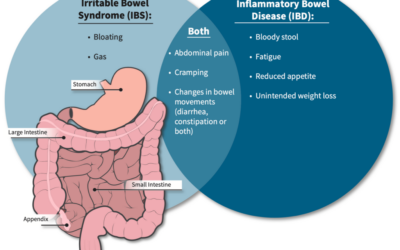
If you are experiencing one, or multiple, of these symptoms of inflammation, you may have also noticed signs of gastrointestinal inflammation occurring simultaneously – this may even be the key to stopping your autoimmune inflammation.
Gastrointestinal inflammation is a complex biological response to different stimuli such as pathogens, allergens, cellular damage from heavy metal exposure, or chemical irritants. Patients who present with GI inflammation might often have identical symptoms to that of an autoimmune condition. This may be because the cause of the GI inflammation is feeding their autoimmune condition.
Three Pathways to GI Inflammation:
1. Food sensitivities: Food sensitivities contribute to inflammation, predominantly gluten and dairy. Gliadin in wheat can increase intestinal permeability, and dairy can lead to reactivity to casein, lactose intolerance, or both. Some people may also react to A1 proteins in dairy but A2 can be safer. Other unsuspected food allergies may also be triggering either a IgE or IgG antibody response so food allergies should be evaluated and avoided or desensitized.
2. Histamine intolerance and overconsumption of histamine triggering foods. Implementing a low histamine diet is preferred over taking antihistamines or PPI’s.
3. Bacterial overgrowth and dysbiosis: SIBO is a common cause and can be treated with a Low Fodmaps diet, antibiotics, herbals, and stress reduction. Other bacterial or parasitic infections can also trigger tremendous inflammation in the GI tract and the entire body.
Each of the above pathways can feed into each other so it is best to investigate all of the possible causes of GI inflammation in order to stop systemic inflammation. Getting to the root cause of your autoimmune condition requires first examining the possible causes of the inflammation in your gastrointestinal tract and eliminating those contributing factors.
If you need medical guidance on healing your GI inflammation, please make an appointment and we will begin this arduous journey together.