
Restorative Dentistry
The biological and holistic dentists at NIHA perform all manners of restorative dentistry with respect to the affect on the whole body. The goal is to preserve as much of the natural tooth as possible. and use biocompatible dental materials for the health of the body.
Restorative dentistry procedures include:
- Crowns, Bridges
- Fillings
- Veneers
We have a Custom Dental Lab on site and utilize the most advanced biochemically safe dental materials available. Prior to dental work, the biological dentist can perform a simple laboratory test to see if you are sensitive to any dental products or have any chemical sensitivities. The test will determine which bio-compatible dental material would be best for you.
Dental Crowns
Ceramic dental crowns are a type of tooth restoration that can improve both the function and appearance of damaged teeth while enhancing your smile. Made from a glass-like material that mimics the natural color and translucency of tooth enamel, ceramic crowns are considered a suitable option for those who value convenience, aesthetics, biocompatibility, and longevity.
Ceramic crowns can be used to:
– Repair teeth that are broken, cracked, or decayed
– Protect teeth that have undergone root canal therapy
– Cover teeth that have large fillings or are discolored
– Enhance the shape and size of teeth
– Replace missing teeth with dental implants
Ceramic crowns have several advantages over metal or metal-ceramic crowns, including a more aesthetic and natural-looking result than metal crowns, which can cause a dark line at the gum margin and/or show through thin enamel. Ceramic crowns are less likely to cause allergic reactions or irritation than metal crowns, which may contain nickel or other metals and they’re more resistant to staining and corrosion than metal crowns, which can tarnish or wear over time.
Biocompatible Fillings
Holistic dentistry is a form of dental care that considers the whole person, not just their teeth and gums. Holistic dentists use natural and biocompatible materials to prevent, diagnose, and treat oral problems while avoiding procedures that may introduce toxins or bacteria into the body, such as root canals. One of the main differences between holistic and traditional dentistry is the type of materials and anesthetics used.
Holistic dentists avoid using amalgam fillings, which contain more than 50% mercury, a toxic metal that can harm the central nervous and immune systems. Instead, they use materials that are compatible with the body’s natural chemistry, such as tooth colored composite resin, porcelain, or ceramic, and anesthetics without epinephrine or preservatives. These materials are safer for people and the environment because they don’t release mercury or other harmful substances into the bloodstream or the air. Holistic dentists also emphasize the importance of nutrition, lifestyle, and emotional health for maintaining health and may use therapies such as education, homeopathy, and aromatherapy to help patients achieve optimal oral and overall health.
Restorative Dentistry with Dental Veneers
Dental veneers are thin shells that cover the front surface of the teeth to improve their appearance. They can be made of porcelain or composite resin, and they can fix various cosmetic problems, such as chipped, stained, or misaligned teeth.
Dental veneers can enhance the color, shape, size, and alignment of the teeth. Dental veneers can hide chips, cracks, gaps, and stains that cannot be fixed with whitening. They can also make the teeth look more symmetrical and proportional. Dental veneers can create a natural and beautiful smile that boosts the confidence and self-esteem of the patient.
Another benefit of dental veneers is that they are stain-resistant and durable. Porcelain veneers, in particular, are resistant to stains from coffee, tea, wine, and tobacco. They can also last for 10 to 15 years with proper care and maintenance. Composite resin veneers are less durable and stain-resistant than porcelain veneers, but they are also cheaper and easier to repair.
Veneers do not require any special maintenance or care. The patient can brush and floss their teeth as usual, and visit the dentist for regular check-ups and cleanings. However, it is advisable to avoid biting hard objects, such as ice, nuts, or pens, and to wear a mouthguard if the patient grinds their teeth at night. These precautions can help prevent the veneers from chipping or cracking.
Another benefit of dental veneers is that they are minimally invasive and relatively painless. Depending on the type of veneer, the dentist may need to remove a thin layer of enamel from the tooth surface to make room for the veneer. This process is usually done under local anesthesia and does not cause much discomfort. Some types of veneers, such as no-prep veneers, do not require any tooth preparation or alteration and can be applied directly over the enamel. In either case, the patient can enjoy their new smile in just two or three visits to the dentist.
Custom Dental Lab On-Site
Fillings, crowns, veneers and full mouth smile makeovers can be done in our on-site lab for a perfect look and fit.
Related Information
Exclusive NIHA Restorative Dentistry Articles
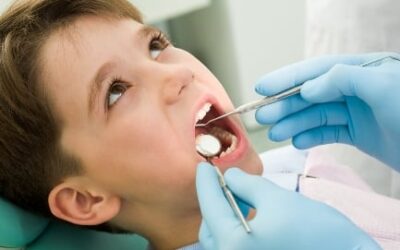
Fluoride: 70 Years of Health Misinformation?
The story of fluoride is one of obfuscation and conflicting agendas that ultimately show how detrimental fluoride may be to the consumers of fluoride. In the U.S. and several other countries, fluoride is added to the water, foods, toothpaste, and many other sources. Fluoride is a significant toxin with many unhealthy consequences. The reason 70% of the U.S. population is unfortunately consuming fluoride in their water and food is due to agendas which are in conflict with respectable scientific health studies
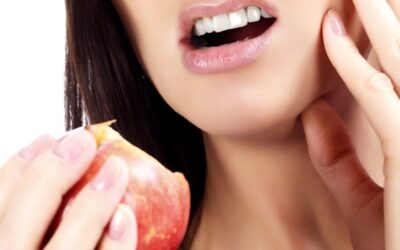
Understanding TMJ to Optimize Treatment
TMJ Treatment may be necessary if you have any of these symptoms: Do you suffer from problems with your jaw or have pain when you chew or yawn? Do you hear a clicking or popping sound when you open or close your mouth? Do you grind or clench your teeth? People generally do not understand what TMJ Temporo Mandibular Dysfunction is about

Holistic Dentistry: 5 Tips to Avoid Acid Erosion of Your Teeth
Having a diet that is highly acidic can be detrimental to your teeth and consuming acidic foods and drinks throughout the day makes the problem worse. Erosion of the teeth is a type of decay that occurs when the tooth structure is lost due to chemical dissolution by acids. Erosion will start in the enamel, which is the outer layer of the tooth, but can spread to the dentin underneath if left unchecked.