
In last week’s group, Weight Loss and Mindfulness, we had some nice sharing about the positive effects of mindfulness on various aspects of life!
So now it is appropriate now to inquire into one of my favorite topics (and maybe yours?) – food. How can mindfulness impact our eating habits, digestion, meal time?
Food, Glorious Food
In this week’s Mindfulness and Healing group, we will examine each step of eating and attempt to slow the process down.I would like everyone to bring some raisins or little chunks of fruit of some kind and have it available during the group. We will attempt to use the characteristics of the visual, taste, smell and the behavior of chewing of food as a mindfulness exercise, much as we would notice the breath moment to moment.
Like so many contradictions in the modern world, we have all the food we want and often hardly ever taste any of it. We often talk to others as we eat. Others eat according to the “chomp and swallow method,” which does not allow food to be properly masticated so that it can be prepared for digestion. Chewing is the first step of digestion which increases the surface area of foods to allow a more efficient break down by enzymes. Undigested food then does not get absorbed and arrives in the large intestines where it can feed some of the unfriendly flora and cause inflammation. Mindfulness of food prepares the digestive tract for proper digestion. The general rule of 20 chews per mouthful can help.
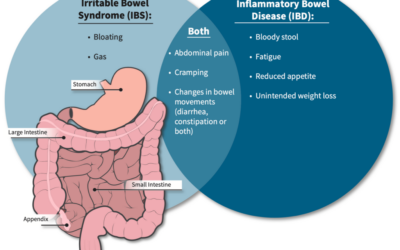
Mindfulness and IBS, Irritable Bowel Syndrome and Digestive Issues
Once again, mindfulness comes to the rescue as this study published in Neurogastroenterology & Motility and summarized in Science Daily suggests;[1]“In the study, 53 women and 15 men with irritable bowel syndrome participated in an 8-week mindfulness-based stress reduction class. Most participants experienced significant improvements from pre-treatment to 3 months follow up regarding gastrointestinal symptoms, quality of life, and anxiety related to gastrointestinal symptoms. Although increases in 3 of the 5 measured facets of mindfulness were found, increases in the ability to stay in the present moment and act with awareness seemed especially important.”
Since every clinician within 100 miles of here reads my articles with great interest, by next week a million patients with irritable bowel syndrome will deluge mindfulness training groups, right? Well, perhaps not yet…but of course it works for digestion and I am hopeful that someday mindfulness will be prescribed by clinicians for all kinds of disorders.
Mindfulness can only help improve the patient’s outcome. Plus, who doesn’t need to find a calm place right now? I look forward to practicing mindfulness with you on Sunday.