Mold can have detrimental effects on children’s health.
Mold is a type of fungi found both indoors and outdoors, but due to their developing immune systems and unique vulnerabilities, children are more susceptible to the harmful effects of mold exposure.
Mold Impact on Children’s Health
Exposure to mold can lead to various health risks for children. The inhalation or ingestion of mold spores can trigger respiratory problems, exacerbate allergies, and even cause infections. Children with preexisting respiratory conditions such as asthma are particularly vulnerable to mold-related health issues. Prolonged exposure to mold may result in chronic respiratory symptoms, persistent coughing, wheezing, and difficulty breathing.
Mold Symptoms
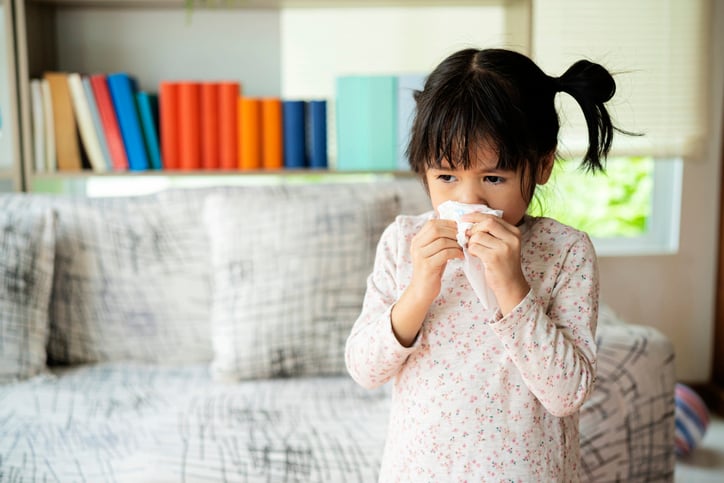
Recognizing the symptoms of mold-related health issues is crucial for early intervention. Children who are exposed to mold may experience the following symptoms:
- nasal congestion
- frequent colds and infections
- itchy or watery eyes
- skin rashes
- persistent headaches
Moreover, mold exposure can also lead to fatigue, difficulty concentrating, irritability, and behavioral changes, which can impact a child’s overall well-being and academic performance.
Prevention of Mold Exposure for Children
The following measures can help reduce mold growth and exposure in children’s living environments:
1. Moisture Control: Moisture is a primary factor contributing to mold growth. Ensure there is proper ventilation, especially in bathrooms and kitchens and run fans to eliminate moisture. Fix any leaky faucets or leaks inside and outside the home as soon as possible! A small leak can turn into a large problem.
2. Cleaning and Maintenance: Regular cleaning and and using mold-inhibiting cleaning agents can help eliminate mold spores effectively, particularly in areas prone to moisture, such as bathrooms and basements.
3. Vacuuming: Regular vacuuming using a vacuum with a good HEPA filter can help eliminate dust and mold spores.
4. Improve Air Quality: Improving indoor air quality can significantly reduce mold exposure. Using air purifiers with HEPA filters can capture airborne mold spores. Additionally, keeping indoor humidity levels between 30% and 50% can inhibit mold growth.
5. Ventilation: Opening windows and using exhaust fans while cooking, showering, or doing laundry can effectively reduce humidity levels and prevent mold growth.
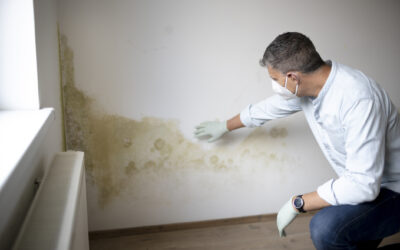
6. Regular Inspections: Conducting routine inspections for signs of mold, such as musty odors, dark or greenish discoloration on walls or ceilings, or visible mold growth is essential. If mold is found, professional remediation may be necessary to ensure thorough removal.
When it comes to addressing mold-related health issues in children, a naturopathic approach can help alleviate symptoms, boost the immune system, and promote overall well-being.
Several herbs possess anti-fungal, anti-inflammatory, and immune-strengthening properties that may aid in combating the effects of mold exposure. Some commonly used herbs include: Garlic,Turmeric, and Echinacea.
Modifications for Children’s Health with Mold Exposure
Dietary Modifications: A nutritious diet plays a crucial role in supporting a child’s overall health, including their immune system. Some dietary modifications that may be beneficial in managing mold-related health issues include: Antioxidants, probiotic foods, yogurt, kefir, sauerkraut, and kim-chi are examples of probiotic-rich foods.
Hydration: Staying well-hydrated is crucial for maintaining overall health and promoting detoxification.
Lifestyle Practices: Certain lifestyle practices can support children’s recovery from mold-related health issues: Fresh air, daily outdoor activities, stress reduction, good sleep habits
If you suspect your children may have mold exposure or infection, please reach out to a naturopathic physician who can assist you in confirming the diagnosis through specialty lab testing and provide appropriate treatment options to help your child. Modifications in diet, lifestyle, and hydration as well as eliminating the source of mold can play a vital role in insuring optimal health for our children.
By addressing the health risks, identifying the potential symptoms, and being diligent about mold prevention we can greatly reduce the chances of mold playing a detrimental role in our children’s lives.