
Prediabetes is a condition where blood glucose is higher than normal but not in the diabetic range, although they are at risk of developing Type 2 diabetes. They may not be able to metabolize carbohydrates or make enough insulin, or use it correctly. Modifying diet, exercise, stress, and lifestyle changes may delay the progression of prediabetes to diabetes.
Diabetes Risk Factors for Type 2
Obesity
Lack of regular exercise
Abdominal fat
Family history
Advancing age
Gestational (pregnancy) diabetes
Changes in diet and lifestyle factors such as exercise, stress management and weight loss can improve diabetes prevention and blood sugar control in diabetes.
Symptoms of Diabetes
Type 1 (Juvenile Onset – insulin dependent)
- Frequent urination
- Unusual thirst
- Extreme hunger
- Weight loss
- Fatigue, Mood changes
Type 2 (Adult Onset—non insulin dependent)
- Frequent urination
- Unusual thirst
- Extreme hunger
- Weight loss
- Fatigue, Mood changes
- Frequent infections
- Blurred vision
- Slow to heal from cuts
- Tingling/numbness
- Skin or gum problems
Diabetes is another clear example of the genes interacting with the environment, so that diabetes may be modified by correcting diet, exercise, toxins, infections, and making lifestyle changes.
Prediabetes and the Progression to Diabetes
Just as with any illness, you deserve individualized care to prevent or slow down the progression of diabetes or prediabetes.
Carbohydrates raise blood sugar and insulin levels. When a large part of the diet is made up of carbohydrates, insulin levels remain high throughout the day. Eventually, even though there is plenty of insulin in the bloodstream, the body stops responding to it- creating insulin resistance- and body fat increases and insulin can no longer do it’s job of escorting sugar out of the blood and in to the cells for energy. Blood tests then reveal high blood sugar and a diagnosis of prediabetes or Type II diabetes is made.
Alter the Progression of Prediabetes Towards Diabetes
Prediabetes is characterized by having a blood sugar level in the range of 100-126 mg/dl. and anything above 126 mg/dl is considered to be diabetes. Many people think that prediabetes is just a “warning sign” free from potential problems, but this is not so. Heart attacks, strokes, cancer, pre-dementia – all these can occur in the prediabetic stage. The frightening thing is that there are 79 million people who are prediabetic and may not even know it, according to the CDC.
The path of prediabetes may be modified with the correct diet and lifestyle changes if addressed early. The average time it takes to develop diabetes is 7 years, so making diet and lifestyle changes early may slow or alter the progression of disease.
Exclusive NIHA Diabetes & Prediabetes Articles
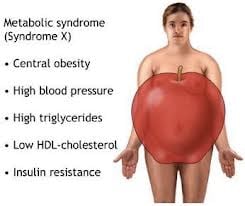
Let’s Prevent Diabetes Now!
According to the CDC, 1 in 4 Americans have what is referred to as Metabolic Syndrome. Just look around.... What is the body shape you see a lot? Overweight with most of the weight centered in the middle, right? And if you knew that person, you would also know that...

Finally…Transglucosidase is Help for Blood Sugar and Carbs
Transglucosidase Enzyme- a new Breakthrough Trans-GLUCOSIDASE is an ENZYME -- that when taken with starchy foods interferes with the natural digestive enzyme AMYLASE that splits the starch into the individual glucose molecules, and instead changes the starch into a...

Healthy Dessert: 4th of July Recipe
Anita’s Healthy Tips: Today, in honor of the most patriotic day of the year, July 4, I offer you a recipe for a nutritious and EASY dessert to accompany any picnic or barbecue! Enjoy the 4th of July this year, with the fireworks in the sky, not in your body!!