
Prediabetes is a condition where blood glucose is higher than normal but not in the diabetic range, although they are at risk of developing Type 2 diabetes. They may not be able to metabolize carbohydrates or make enough insulin, or use it correctly. Modifying diet, exercise, stress, and lifestyle changes may delay the progression of prediabetes to diabetes.
Diabetes Risk Factors for Type 2
Obesity
Lack of regular exercise
Abdominal fat
Family history
Advancing age
Gestational (pregnancy) diabetes
Changes in diet and lifestyle factors such as exercise, stress management and weight loss can improve diabetes prevention and blood sugar control in diabetes.
Symptoms of Diabetes
Type 1 (Juvenile Onset – insulin dependent)
- Frequent urination
- Unusual thirst
- Extreme hunger
- Weight loss
- Fatigue, Mood changes
Type 2 (Adult Onset—non insulin dependent)
- Frequent urination
- Unusual thirst
- Extreme hunger
- Weight loss
- Fatigue, Mood changes
- Frequent infections
- Blurred vision
- Slow to heal from cuts
- Tingling/numbness
- Skin or gum problems
Diabetes is another clear example of the genes interacting with the environment, so that diabetes may be modified by correcting diet, exercise, toxins, infections, and making lifestyle changes.
Prediabetes and the Progression to Diabetes
Just as with any illness, you deserve individualized care to prevent or slow down the progression of diabetes or prediabetes.
Carbohydrates raise blood sugar and insulin levels. When a large part of the diet is made up of carbohydrates, insulin levels remain high throughout the day. Eventually, even though there is plenty of insulin in the bloodstream, the body stops responding to it- creating insulin resistance- and body fat increases and insulin can no longer do it’s job of escorting sugar out of the blood and in to the cells for energy. Blood tests then reveal high blood sugar and a diagnosis of prediabetes or Type II diabetes is made.
Alter the Progression of Prediabetes Towards Diabetes
Prediabetes is characterized by having a blood sugar level in the range of 100-126 mg/dl. and anything above 126 mg/dl is considered to be diabetes. Many people think that prediabetes is just a “warning sign” free from potential problems, but this is not so. Heart attacks, strokes, cancer, pre-dementia – all these can occur in the prediabetic stage. The frightening thing is that there are 79 million people who are prediabetic and may not even know it, according to the CDC.
The path of prediabetes may be modified with the correct diet and lifestyle changes if addressed early. The average time it takes to develop diabetes is 7 years, so making diet and lifestyle changes early may slow or alter the progression of disease.
Exclusive NIHA Diabetes & Prediabetes Articles

Are You Eating the Right Type of Protein?
The right type of protein- high quality, nutritious protein- is critical to good health. For the first time in the United States, life expectancy is decreasing. (See recent article, A New Health Statistic to Worry About). Many illnesses and diseases are on the rise...
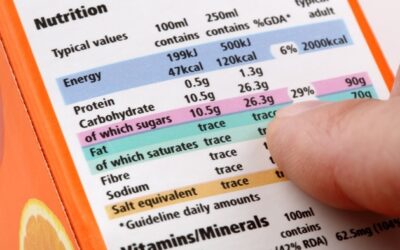
Sugar: Hidden Ingredient and Healthy Alternatives
Most of us know that eating too much sugar is bad for us. Sugar promotes acidity in the body which provides a breeding ground for illness and disease. Rising rates of sugar consumption over decades has contributed to increasing rates of candida, obesity, insulin...

Cut the Carbs and Lose the Weight
Have you been enjoying the hustle and bustle, the parties and leisure time spent eating and drinking with family and friends this holiday season? Are you ready to start the new year with healthy habits as your main focus? Many people tell me that the extra weight they carry around is their main concern – they want to look better and feel better. As a nurse and a health coach I understand that what’s at stake isn’t just how our reflection looks in the mirror, it’s how our future health will be 5 or 10 years down the line. The connection between the foods we eat and the health we get to enjoy is very real. Every time that we eat or drink something it affects our internal biology for better or for worse. During the holidays we get our fill of sweets, Xmas cookies, cakes, breads, chocolates, alcohol, cheese, crackers, candies, you name it!