
If you’ve experienced any of the following gluten sensitivity symptoms, the answer is YES.
- Disproportionate fatigue
- Migraines/headaches
- Excessive weight gain or loss
- Emotional issues involving chronic irritability and sudden, irrational mood shifts often moving into depression or anxiety
- Neurological issues, including dizziness, difficulty balancing, and peripheral neuropathy affecting nerves outside the central nervous system and resulting in pain, weakness, tingling or numbness in the extremities
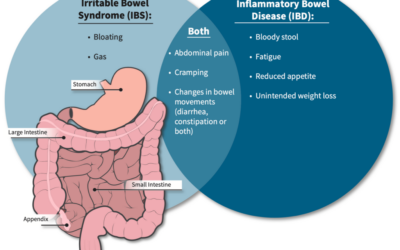
- Gas, bloating, queasiness, abdominal cramping, constipation, diarrhea, or an alternating combination of both as in IBS (Irritable Bowel Syndrome)
- Fibromyalgia or any unexplained muscle or joint pain
- Late onset seasonal allergies
- Rashes or hives
- Macrocytic anemia
Gluten Sensitivity and Celiac Disease are Increasing
While a person may not have celiac disease, a multi-factorial disease associated with nutritional deficiencies, reproductive issues and increased risk for thyroid disease, kidney failure and cancer- they may still experience the above symptoms when consuming gluten.
According to recent studies, there has been a four-fold increase in the incidence of celiac disease in the past 15 years and an even greater increase in the incidence of gluten intolerance or sensitivity. The question is: “why?”
The herbicide Roundup contains glyphosate, which is known to preferentially disrupt the beneficial bacterial growth in the GI tract. This antimicrobial is sprayed on the wheat supply in the United States toward the end of the growing season to ensure that the growth of the plant is not stunted. The late application ensures that we are exposed through our food sources. Glyphosate is known to inhibit cytochrome P450 enzymes which are used to detoxify the body of environmental chemicals. Deficiencies in iron, cobalt, molybdenum, copper and other minerals associated with gluten sensitivity can be attributed to glyphosate’s strong ability to chelate these elements. Deficiencies in tryptophan, tyrosine, methionine and selenomethionine associated with celiac disease match glyphosate’s known depletion of these amino acids. Studies suggest glyphosate exposure causes reproductive issues, kidney damage, and non‐Hodgkin’s lymphoma, which match the incidence rate in Celiac Disease (1). The exposure to glyphosate often causes thyroid issues and autoimmune presentations (1,2).
Testing for Gluten Sensitivity
There are several diagnostic tools that can be utilized including those covered by insurance and specialty lab testing.
Typically, a thorough history and symptom picture is one of the most important components to diagnose gluten sensitivity. Other methods include tissue transglutaminase Ab and endomysial Ab detection in blood, IgE and IgG reaction to the gluten or gliadin proteins, endoscopy and/or biopsy of the microvilli in the small intestine with intraepithelial lymphocytosis measurement (celiac disease diagnosis specifically). Your practitioner can determine the best tests for you.
What Can we do to Protect Ourselves?
First and foremost, eliminate gluten, corn, and soy from your diet. All three of these foods have been found to have high levels of glyphosate. That will not completely alleviate exposure as even some fish, foul, and cattle have detectable amounts in their bodies, but it will greatly reduce the load. Secondly, repopulate your gut with Lactobacillus and Bifidobacter probiotics. Glyphosate is particularly lethal to these bacteria. Load up on antioxidants such as alpha lipoic acid and NADH. FAR infrared sauna is also very helpful in detoxifying chemicals from the body.
Healing the gut lining is essential to minimizing other allergies that could develop due to the gut permeability caused by gluten associated inflammation. Some things to do at home:
- Drink herbal teas like slippery elm, marshmallow, and licorice
- Drink aloe juice
- Drink homemade bone broth to nourish the cells and soothe the stomach
- Eat organic foods
There are various desensitization programs and drainage programs offered at wellness facilities, including the allergy testing and treatment program at NIHA.
Related articles: Gluten category
References:
(1)http://www.ncbi.nlm.nih.gov/pmc/articles/PMC3945755/
(2)http://healthimpactnews.com/2014/gluten‐intolerance‐and‐the‐herbicide‐glyphosate‐a‐nationalepidemic/