Cardiovascular Health
Functional Medicine Approach to Cardiovascular Health
NIHA’s integrative medicine physicians place great emphasis on prevention and treatment options for cardiovascular health risks for heart disease. Integrating both conventional medicine with integrative medicine and advanced testing, the patient can make educated choices that best reflect their needs. Modification of key risk factors is an integral factor in prevention of future disease.
The integrative medicine approach to heart disease includes cardiovascular screening and assessment of risk factors, patient education on nutrition and detoxification, in order to develop an individualized treatment plan. This may include chelation therapy*, supplementation, and other beneficial treatments based on the patient’s risk factors and needs.
Cardiovascular Disease Symptoms are Different in Women and Men
Cardiovascular disease (CVD) is a group of diseases of the heart (cardio) and blood vessels (vascular) most often caused by a narrowing inside the lining of blood vessels due to deposits of plaque or fatty substances on the artery wall. Cardiovascular disease is still the leading cause of disability and death in the United States and can include arteriosclerosis, coronary artery diseases (CAD), congestive heart failure, heart valve disease, hypertension, endocarditis, angina, and myocardial infarction, most commonly known as a heart attack.
Coronary artery disease is the build up of plaque in the arteries which causes a decrease in blood supply (ischemia) to the heart. Coronary artery disease is the most common form of cardiovascular disease, afflicting over 7 million people.This condition can lead to serious problems such as angina (chest pain) or myocardial infarction (heart attack).
According to the American Heart Association, approximately 50% of the people who die from heart disease experience no previous symptoms. The # 1 symptom of a heart attack is sudden death. Symptoms of disease may be different and more subtle in women and therefore easier to ignore. More women die of heart disease than of all cancers combined.
Risk Factors for Cardiovascular Health
Results of the INTERHEART study suggest that these modifiable risk factors account for more than 90% of the risk for acute Myocardial Infarctions (heart attack).In descending order,these are:
- Dyslipidemia
- Smoking
- Psychosocial stressors
- Diabetes Mellitus
- Hypertension
- Obesity
- Alcohol consumption
- Physical Inactivity
- Diet low in fruits and vegetables
The Integrative medical approach complements traditional cardiovascular tests and uses other testing or assessment tools to gain information in order to plan the best treatments based on the individual’s needs. Early detection is important with non-invasive tests to detect heart disease.
Other risk factors that may play a role in preventing, treating, and reversing atherosclerosis may include: Inflammation, infection, vasodilatation, homocysteine, hormones, lipids, platelet aggregation, antioxidants, stress, insulin resistance, toxicity, deficiencies of vitamins, minerals, amino acids, and dysautonomia.
Testing and Treatment of Risk Factors That Are Often Modifiable
- Elevated Homocystien
- Elevated Lipoprotein
- Hormone excesses (estrogen) & Hormone deficiencies (cortisol, testosterone)
- Elevated C-Reactive Protein
- Elevated Fibrinogen
- Depressed Apolipoprotein A-1 (HDL)
- Elevated Apolipoprotein B (LDL)
- B Vitamin Deficiencies
- Mineral deficiencies & Mineral excesses (Iron, copper)
- Heavy Metal Toxicity (Mercury, lead etc.)
- Hyperinsulinemia (insulin resistance)
- Antioxidant deficiency (vitamin C, E)
- Amino Acid deficiency
- Essential Fatty Acid deficiency
- Metastatic Calcium
Comprehensive integrative medical treatment options offer safe, effective, non-invasive therapies to address the issue and the whole person through education, nutrition, detoxification and lifestyle changes.
Exclusive NIHA Cardiovascular Health Articles
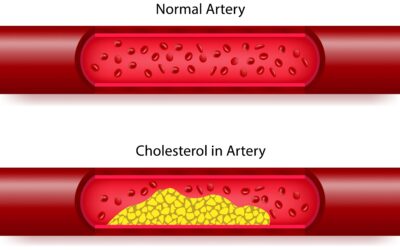
Turmeric, Curcumin and LDL Cholesterol: Natural Ways to Lower Oxidative Stress
Turmeric has shown effectiveness in lowering LDL cholesterol. The “bad” cholesterol, or low-density lipoprotein (LDL) gets a bad rap as a risk factor for atherosclerosis and increasing the risks of heart attacks and stroke, which together are the number one cause of death.

Mindfulness and Cardiovascular Disease
Mindfulness has been defined[1] as “awareness that arises through paying attention, on purpose, in the present moment and non-judgmentally,” that is “in the service of self-understanding and wisdom.” To this, since mindfulness is also a clinical tool[2] that has been...
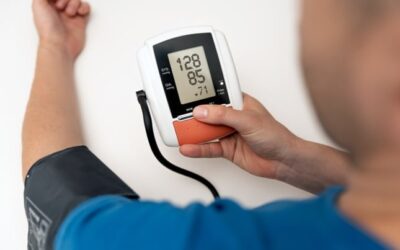
Other Factors to Consider in the Treatment of High Blood Pressure
Hypertension, or HTN, is a diagnosis for persistent high blood pressure. You may have received a diagnosis of hypertension (HTN) from your physician based on the numbers of your systolic and diastolic blood pressure readings. If there is no identifiable cause to...