
CIRS: When Your Immune System Gets Stuck in Overdrive
To understand what happens in Chronic Inflammatory Response Syndrome, CIRS, imagine your body has an internal smoke alarm. When a fire breaks out, the alarm sounds, the sprinklers turn on, and the fire department arrives to put it out. Once the danger passes, the alarm resets, and everything goes back to normal.
Now imagine that the fire is completely gone, but the smoke alarm won’t stop blaring. The sprinklers keep flooding the house, and the emergency response team starts accidentally tearing down the walls.
This is what happens in Chronic Inflammatory Response Syndrome (CIRS). It is a severe, multi-system, multi-symptom illness where the body’s innate immune system gets permanently stuck in an inflammatory overdrive, unable to turn itself off.
What is Chronic Inflammatory Response Syndrome or CIRS?
For about 75% of the population, if they are exposed to a biological toxin, their adaptive immune system creates antibodies, binds the toxin, and safely flushes it out of the body.
However, about 25% of people carry specific genetic variations (HLA-DR genes) that make them “biotoxin susceptible.” In these individuals, the body does not recognize the foreign toxins. Instead of being tagged and eliminated, the biotoxins continuously circulate through the bloodstream, fat tissues, and organs.
Because the toxins never leave, the body’s frontline defense system stays in a state of perpetual panic, releasing a non-stop wave of inflammatory chemicals (cytokines) that damage tissues, alter brain chemistry, and disrupt hormones.
The Three Main Triggers of CIRS: Mold, Lyme, and Long COVID
While CIRS was originally identified in people exposed to water-damaged buildings, we now know it can be triggered by several distinct environmental and biological stressors.
- Mold and Biotoxins from Water-Damaged Buildings
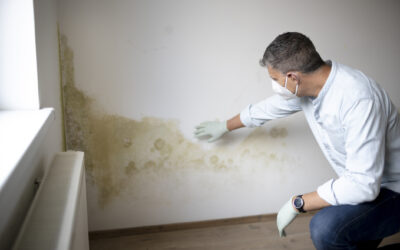
This is the most common root cause. When buildings experience water leaks, a toxic soup of hidden black mold, actinomycetes (bacteria), endotoxins, and volatile organic compounds develops. Susceptible individuals breathe in these microscopic mycotoxins, which systematically bypass their clearance pathways and lock the immune system into a cycle of chronic inflammation.
- Lyme Disease and Co-infections
When a tick transmits Lyme disease (Borrelia burgdorferi) or co-infections like Babesia and Bartonella, it releases specific bacterial biotoxins into the body. Even after a patient completes a standard course of antibiotics to kill the active bacteria, the dead cellular fragments and circulating biotoxins can remain trapped in the tissues of a genetically susceptible person, sparking long-term CIRS.
- Long COVID
Emerging research shows that the spike protein from viral infections can act as a profound immune destabilizer. In some individuals, a severe viral encounter triggers Mast Cell Activation Syndrome (MCAS) and permanent mitochondrial dysfunction. The immune system is essentially re-wired by the viral trauma, preventing it from returning to homeostasis and leading directly into a CIRS clinical presentation.
Do You Have CIRS? The 13 Symptom Clusters
Because CIRS alters cellular function across the entire body, it presents with a massive, seemingly unrelated laundry list of symptoms. To help doctors identify it, researchers organized these symptoms into 13 distinct clusters.
Experiencing at least one symptom in 8 or more of these 13 clusters indicates a very high probability of CIRS.
- Cluster 1: Profound, chronic fatigue that rest does not fix.
- Cluster 2: Muscle aches, cramps, fleeting joint pain, morning stiffness, and physical weakness.
- Cluster 3: Headaches, extreme sensitivity to bright light, and difficulty learning new information.
- Cluster 4: Chronic brain fog and severe difficulty concentrating.
- Cluster 5: Poor short-term memory and struggling to find the right words during conversations.
- Cluster 6: Disorientation, a metallic taste in the mouth, and constantly watery eyes.
- Cluster 7: Unexplained shortness of breath and chronic sinus congestion.
- Cluster 8: A persistent cough, excessive thirst, and frequent confusion.
- Cluster 9: Sudden appetite swings, difficulty regulating body temperature (hot flashes or feeling freezing), and frequent urination.
- Cluster 10: Blurry vision, bloodshot eyes, night sweats, rapid mood shifts, and “ice-pick” pains (sudden, stabbing head or body pain).
- Cluster 11: Chronic abdominal pain and frequent diarrhea.
- Cluster 12: Vertigo (dizziness/spinning) and getting frequent, painful static shocks from standard objects.
- Cluster 13: Numbness, tingling, or “pins and needles” sensations in the hands and feet.
Holistic Treatment: Functional Protocols and Advanced Peptides
Recovering from CIRS requires a comprehensive, step-by-step integrative medicine framework. You cannot simply take a pill to suppress the inflammation; you must systematically unload the burden on the body.
Step 1: Structural Removal from Exposure
The most critical step is removing the patient from the source of the toxins. If a home has hidden mold, it must be professionally remediated. If Lyme or viral fragments are driving the issue, those active microbial loads must be settled.
Step 2: Biotoxin Binders
To catch the circulating toxins that the liver cannot process, functional medicine utilizes specific oral binders. Prescription binders like Cholestyramine (CSM) or Welchol, or natural binders like bentonite clay, activated charcoal, and chlorella, bind to toxins directly in the digestive tract, preventing them from being reabsorbed and forcing them out through the stool.
Step 3: Cellular and Mitochondrial Support
To calm down the systemic fire, protocols focus on cooling down the cellular pathways. This includes using high-dose omega-3 fatty acids, fat-soluble antioxidants, and supporting gut barrier health to lower systemic lipopolysaccharide (LPS) load.
Step 4: The Holtorf Peptide Protocol
When standard binders aren’t enough to fully reset the system, cutting-edge integrative frameworks—such as the protocols developed by the Holtorf Medical Group—introduce specific biomimetic peptides to repair the damaged immune architecture. Peptides are short chains of amino acids that act as targeted cellular messengers.
- Thymosin Alpha-1 (TA1): This peptide is a master immune modulator. Instead of suppressing the immune system, TA1 helps re-balance it, turning down the auto-inflammatory cytokine storm while boosting the body’s ability to clear lingering intracellular infections.
- Thymosin Beta-4 (TB4) / BPC-157: These peptides are utilized to dramatically reduce systemic tissue inflammation, repair damaged blood vessels, and heal the gut-barrier lining that is so frequently compromised in CIRS.
- VIP (Vasoactive Intestinal Peptide): Often used in the final phases of CIRS recovery as a nasal spray, VIP acts directly on the brain to down-regulate neuroinflammation, restore normal hormonal balance in the hypothalamus, and cure the profound brain fog and mood disruptions associated with the condition.
CIRS can be an incredibly isolating and confusing illness, but it is not a permanent sentence. By combining environmental awareness, targeted detoxification, and advanced cellular therapies like peptides, the immune system can finally turn off its alarms and return to a state of peace.
Talk to our Functional Medicine provider with a 15 min free meet and greet to know more and embark on your journey to wellness. Contact NIHA @ 202-237-7000 to schedule your free introductory call with Dr. Girish Kalva MD who is double boarded in Internal Medicine and Obesity Medicine with many years of functional medicine practice experience.