
Functional medicine focuses on identifying the root causes of common conditions rather than only suppressing symptoms. Underlying root causes may include gut issues, inflammation, toxins, hormone imbalance, nutrient status, or deficiencies. Many chronic health conditions that are difficult to manage conventionally often improve when the underlying core issues are addressed.
5 Common Conditions that Benefit From a Functional Medicine Approach
1. Irritable Bowel Syndrome (IBS)
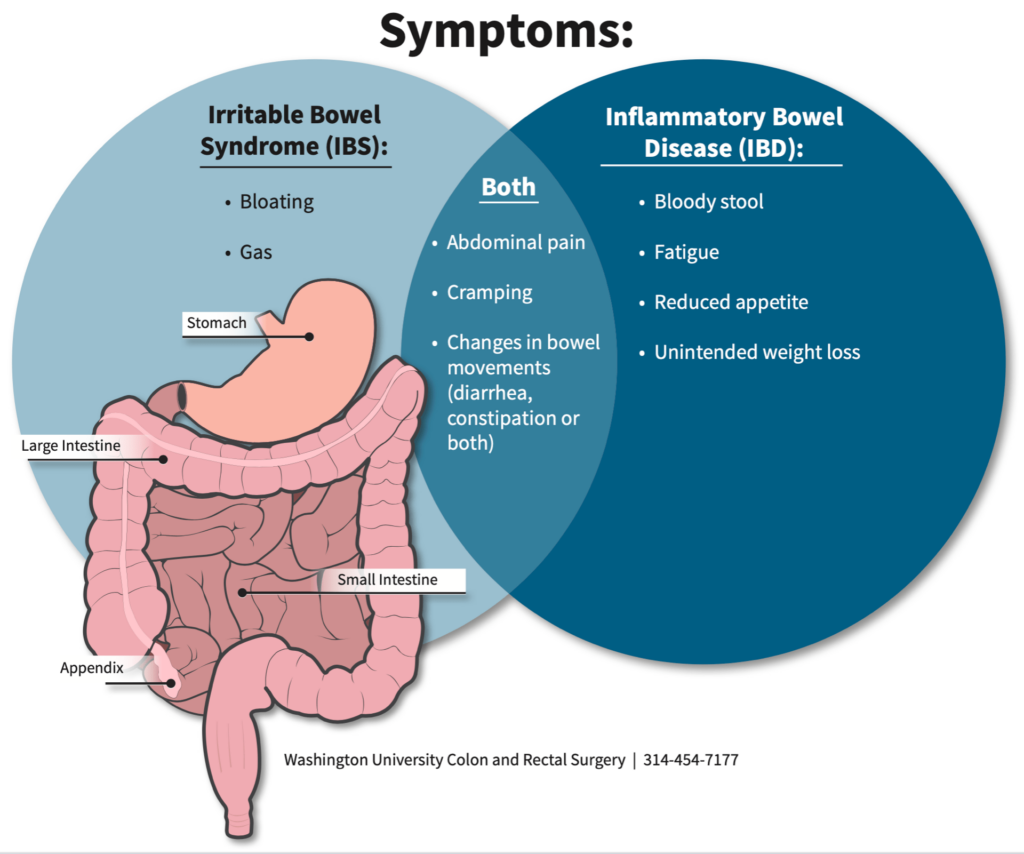
Irritable Bowel Syndrome, or IBS, affects millions and often presents with the symptoms below. However, Inflammatory Bowel Disease, or IBD, (including ulcerative colitis and Crohn’s Disease), may cause similar symptoms and lead to damage to the digestive tract, whereas IBS will not. Proper diagnosis and treatment is important for relief and management of the condition.
Symptoms:
- Bloating
- Abdominal pain
- Diarrhea or constipation
- Change in bowel habits
- Food sensitivities
Root causes commonly identified in IBS with Functional Medicine:
- Dysbiosis or microbiome imbalance in the digestive tract
- Small intestinal bacterial overgrowth (SIBO)
- Food intolerances (gluten, dairy, FODMAPs)
- Stress-gut axis dysregulation
Functional Medicine typical interventions include:
- Elimination diets (often low-FODMAP initially)
- Gut repair nutrients (glutamine, zinc carnosine)
- Targeted probiotics
- Stress and vagus nerve regulation
Many patients experience significant symptom resolution once gut balance is restored.
2. Hashimoto’s Thyroiditis
Hashimoto’s Thyroiditis is the most common autoimmune thyroid condition. It can cause an underactive thyroid (hypothyroidism) and below normal levels of thyroid hormones.
Symptoms can include:
- Fatigue
- Weight gain
- Hair loss
- Cold intolerance
- Brain fog
Instead of only prescribing thyroid hormone, a functional medicine doctor will look for triggers such as:
- Gluten sensitivity
- Gut permeability (“leaky gut”)
- Low selenium, iodine imbalance
- Chronic infections or toxins
Functional medicine strategies to help improve Hashimoto’s Disease:
- Anti-inflammatory diet
- Selenium and zinc repletion
- Gut healing protocols
- Stress and adrenal regulation
Many patients see reduced thyroid antibodies and improved symptoms.
3. Type 2 Diabetes and Insulin Resistance
Type 2 Diabetes and/or Insulin Resistance is strongly driven by metabolic dysfunction and lifestyle factors.
Common symptoms and markers:
- Elevated blood glucose or HbA1c
- Weight gain (especially abdominal)
- Fatigue after meals
- Sugar cravings
A Functional medicine approach targets key root causes
- Chronic insulin spikes from refined carbohydrates
- Poor sleep and cortisol imbalance
- Sedentary lifestyle
- Gut microbiome dysfunction
Strategies and Interventions to improve diabetes and insulin resistance often include:
- Low-glycemic or Mediterranean-style diets
- Time-restricted eating
- Strength training and muscle building
- Nutrients like berberine, magnesium, and chromium
Many patients can improve glucose control dramatically and sometimes reduce medications.
4. Chronic Fatigue and Mitochondrial Dysfunction
Chronic fatigue, which is fatigue lasting over months or years, is often linked to:
- Mitochondrial dysfunction
- Chronic infections such as Lyme Disease, HIV, herpes, Epstein-Barr where infection is persistent
- Hormone imbalance
- Nutrient deficiencies
- A related condition is Chronic Fatigue Syndrome, or Fibromyalgia
Functional medicine approach to correct underlying issues
- Mitochondrial nutrients (CoQ10, carnitine, ribose)
- Correcting iron, B12, and magnesium deficiencies
- Reducing inflammation and oxidative stress
- Addressing sleep disorders and circadian rhythm
Patients frequently regain energy and cognitive clarity when mitochondrial function improves.
5. Chronic Inflammation and Autoimmune Conditions
Many diseases share the root driver of chronic inflammation, including:
- Rheumatoid Arthritis
- Psoriasis
- Inflammatory Bowel Disease
- Chronic Inflammatory Response Syndrome
Common root causes to identify and correct
- Gut permeability
- Environmental toxins
- Food sensitivities
- Stress-induced immune dysregulation
Functional medicine interventions to address and correct the root cause of inflammation
- Anti-inflammatory diet (Mediterranean or autoimmune protocol)
- Omega-3 fatty acids
- Gut barrier repair
- Detoxification support
This approach can reduce flare frequency and improve quality of life.