With day after day of extreme heat facing us again, it’s important to recognize who’s most vulnerable—and how to protect yourself and others from heat-related illness (HRI).
Who Is Most at Risk for Heat-Related Illness?
Certain groups are especially vulnerable to heat-related illness, including:
- Small children
- Older adults
- People who work or live outdoors
- Those in homes or buildings without air conditioning
- Individuals doing physical activity in the heat
- Anyone suddenly exposed to high temperatures after cooler weather
Many common medications can also increase your risk of HRI. If you take medication and expect to spend time outdoors, speak with your provider—especially if you fall into a higher-risk group.
The Most Dangerous Form: Heat Stroke
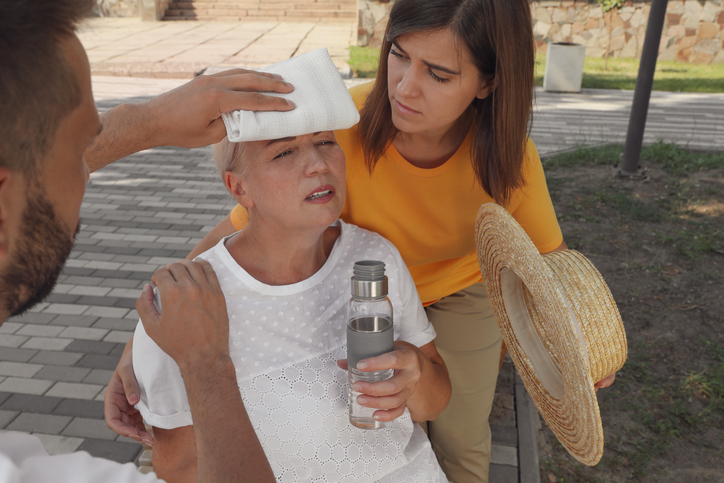
Heat stroke is the most serious form of heat-related illness and requires immediate attention.
Watch for signs of altered mental status, including:
- Confusion
- Combativeness
- Abnormal speech or behavior
- Loss of consciousness
If you observe any of these symptoms, act fast:
- Begin aggressive cooling (ICE! NOW!)
- Call 911 immediately
It doesn’t take long for someone to shift from heat exhaustion to full heat stroke.
Know the Signs—and Take Action
Early intervention can save lives. The CDC provides a helpful guide to symptoms of heat-related illnesses so you can recognize the difference between heat exhaustion and heat stroke.
Take the following precautions to stay safe during extreme heat:
- Hydrate well. Drink water consistently throughout the day.
- Start low and go slow. Gradually build up your heat exposure in minutes.
- Rest and rehydrate. If you feel crampy, nauseous, or notice heavy sweating—or stop sweating—find air conditioning and cool down immediately.
- Use the buddy system. Being with someone else helps monitor for warning signs.
Stay Safe This Summer
Extreme heat is not just uncomfortable—it can be dangerous. By knowing the risks, recognizing symptoms early, and taking preventive steps, you can reduce the chance of heat-related illness for yourself and those around you. If you have concerns about your risk for heat-related illness or how your medications may be affected by high temperatures, call 202-237-7000 ext. 0 to schedule a comprehensive visit with Dr. Cannon for personalized, expert guidance.