If your answer is yes to constipation, you’ve got a lot of company – over 4 million “friends” in the US alone!
In fact, according to the US Department of Health and Human Services, constipation is the most common gastrointestinal complaint, responsible for over 2.5 million annual doctor visits and over $725 million spent on laxatives each year.
What is Constipation? 
According to the National Digestive Diseases Information Clearinghouse, “Constipation is defined as having a bowel movement less than THREE times a week.”
While the medical definition is fewer than three bowel movements per week, this infrequency can be quite uncomfortable. This doesn’t begin to scratch the surface of what it means to be constipated. Feeling bloated, heavy, or unwell is only the beginning…but what is really going on in your GI system? Most natural and holistic health practitioners suggest we should have 2-3 bowel movements per day for optimum health. Often, people say, “I go 2-3 times per week, and that’s OK because that is what is normal for me.” But think about this: Just because something is normal for your system, does that mean it is what is best for your body?
Food In–Waste Out
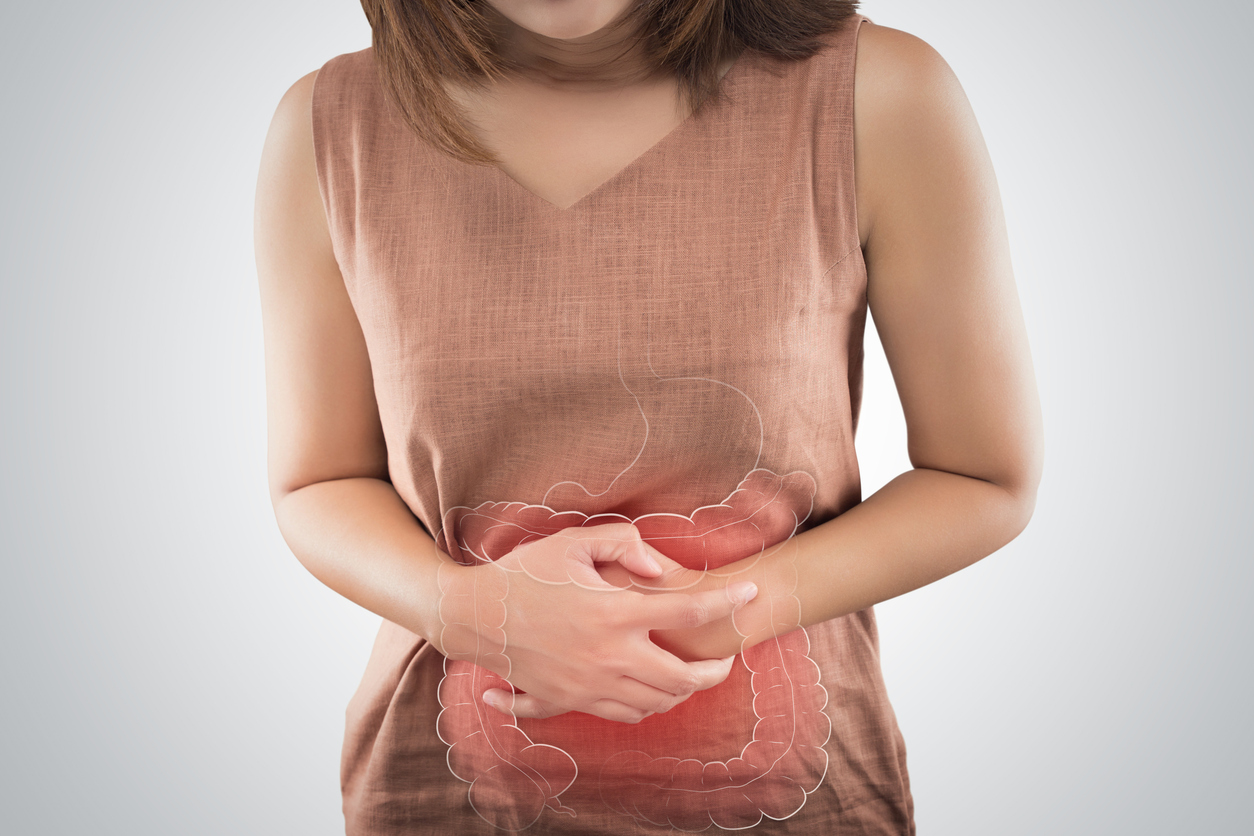
What is happening in your colon while the waste matter is waiting to be eliminated?
You were created to operate the way you did when you were a baby: one meal in and one load of waste out. Constipation begins when the body is not releasing the waste from every meal consumed. For optimal health, food intake and elimination should be a one-for-one balance.
If you eat at least 3 meals per day, which equals 21 meals per week, and you are having less than 3 bowel movements per week, you are EXTREMELY constipated.
By Friday, Tuesday’s burger isn’t so nutritious any more. As it sits, it can upset the digestive balance of good and bad bacteria in the colon and release harmful toxins into your bloodstream, affecting other systems of the body as well. The adult colon is approximately four to six feet long and is about 2-1/2 inches wide. It’s composed of all these little pockets called haustra. If food is not released from the body in the same volume it is taken in, the walls of the colon and these little pockets become clogged. The unreleased waste forms a thick coating on the colon’s walls. The result is a toxic body which leads to a myriad of problems such as fatigue, skin rashes, parasites, yeast infection, and indigestion. Chronic constipation can be responsible for abdominal bloating and pain, fatigue, brain fog, headaches, joint pain, and more serious conditions.
Why are So Many People Constipated?
A number of factors contribute to constipation, and often there are a combination of factors at play. The most commonly stated causes are:
- Dehydration: The standard recommendation for daily intake of water is half your body weight in ounces, so if you weigh 140 pounds, you need 70 ounces of water each day. Add more for exercise and if you drink diuretic beverages such as coffee, tea or alcohol.
- Lack of Fiber: Eat at least 5 cups of fresh fruits and vegetables per day in a form as close as possible to the way they come from the earth, and limit your intake of processed foods. This ensures a diet high in fiber and natural water content.
- Lack of Exercise: Exercise moderately for at least 30 minutes per day 5 days per week, with at least 2 days of resistance exercise. Exercise increases circulation and diaphragmatic breathing and relieves stress.
- Medications: Common medications that may cause constipation include pain relievers, anti-depressants, anti-convulsants, iron supplements, some high blood pressure medications, some antacids and more. If you take one of these medications and suffer from constipation, contact your healthcare provider to discuss alternatives.
- Ignoring the Urge: When you’ve got to go, by all means go! Have you ever played host to the “I don’t have time for that right now” voice? Not high enough on the priority list? Just like you make time for breakfast or working out, it’s important to make time for your daily movements, especially in the morning.
An Important Cause that Contributes to Constipation: STRESS!
Stress is often overlooked as a cause of constipation, but stress affects the gut-brain axis, which links the nervous system to our digestive tract.
- Tune in to your abdomen. Do you sense a free flowing river or New York City rush hour grid lock? Tension held in the abdominal cavity can constrict the natural motility of the digestive organs necessary to move the food along its tract. Awareness is a key first step.
- Are you breathing? Stress can lead to shallow breathing. Practice taking full breaths with the diaphragm moving down into the abdominal cavity as the lungs fill. It’s like giving yourself a massage from the inside out!
- Fight or Flight? Or Rest and Digest? Stress puts us into the Fight or Flight mode, activating the sympathetic nervous system and deactivating the parasympathetic nervous system. Taking time and awareness to sit in a relaxed state with our foods stimulates the Vagus nerve, the main nerve of the parasympathetic nervous system, to innervate the digestive system organs to begin peristaltic movement, secrete digestive juices and open the GI sphincters.
All of these recommendations, including the management and release of stress, can greatly improve your digestive health and elimination habits. Lifestyle and dietary changes can take a while to implement and take effect, but baby steps are the start of better health. Meanwhile, it’s important to remove the toxic buildup that has been accumulating in your system, and this can be done with detoxification therapies.
Tips to Avoid Constipation
- Drink plenty of clean water (half your body weight in ounces of clean water)
- Maintain a fiber-rich nutrition regime (both soluble and insoluble)
- Exercise regularly, for 30-40 minutes per day
- Decrease your internal and external stress levels with exercise, meditation, music, deep breathing
- Say goodbye to toxic emotions (anger, fear, envy, jealousy) with counseling, journaling, talking to a friend
- Treat your body to some well-deserved cleansing with massage, acupuncture, cleansing IVs and other detoxification therapies
Updated 10/7/26