
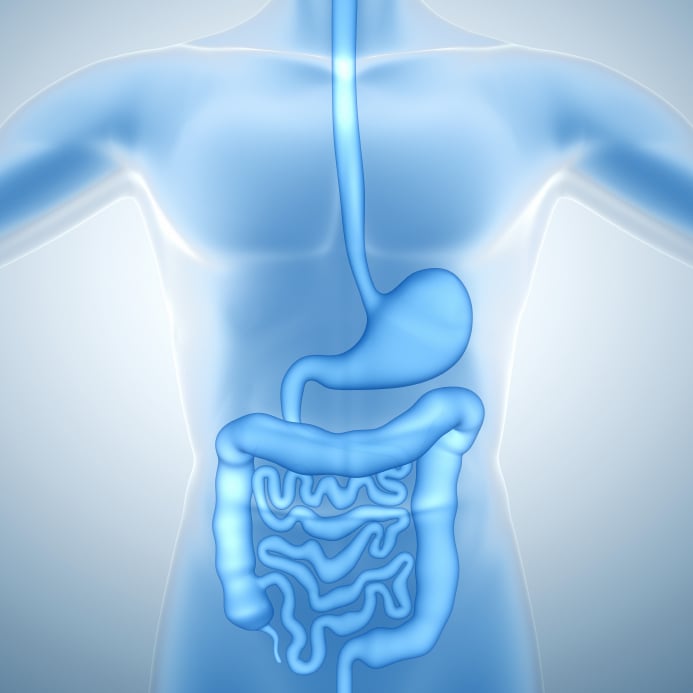
Sadly, colorectal cancer, or cancer of the colon or rectum, is now the third most commonly diagnosed cancer. The month of March is dedicated to National Colorectal Cancer Awareness.
According to the CDC, among cancers that affect both men and women, colorectal cancer is the second leading cause of cancer deaths in the United States. Every year, about 140,000 Americans are diagnosed with colorectal cancer, and more than 50,000 people die from it. (1) Early detection is the best means of increasing the survival rate of colorectal cancers.
Schedule a Colonoscopy or Other Colorectal Screening Test this Month
If you are concerned about colorectal cancer, the CDC recommends colonoscopy as a means of early detection to prevent deaths from colorectal cancer. In fact, colonoscopy screenings are recommended every 10 years for everyone beginning at age 50.
However, there are other screening test options available. Please discuss the options with your doctor as to which test is best for you.
- Colonoscopy (every 10 years)
- High-sensitivity fecal occult blood test (FOBT), stool test, or fecal immunochemical test (FIT) (every year)
- Sigmoidoscopy (every 5 years, with FOBT every three years)
- Guardian blood test, LabCort fit-test, Cologuard at-home stool test
More than 90% of colorectal cancers occur in people aged 50 and older. Other risk factors include a relative with colon cancer, race and ethnicity. But, regardless of age, symptoms such as blood in the stool, stomach pain or stomach cramps, or unexplained weight loss should be discussed with your doctor.
Regular health check ups and screening tests are fundamental to good health. We also believe that maintaining proper bowel health is imperative to decrease the cumulative effects of the toxic load on the body. Regular detoxification and body cleansing are helpful to keep the digestive system running smoothly.
What is proper bowel health?
The bowel contains billions of bacteria, both friendly and unfriendly. You want to maintain a balance of about 80% friendly to 20% unfriendly bacteria. When your system becomes compromised, the friendly bacteria can fail to contain the unfriendlies, causing an overgrowth of unfriendly bacteria and leading to a toxic environment. Your system can become compromised by many factors, including consumption of processed foods or pesticides, absorptions of unhealthy environmental toxins, illness, medications, or stressful events or lifestyle.
What happens when I have an imbalance in the bowel?
An overgrowth of unfriendly bacteria, and thus a lack of friendly, “good” bacteria, can compromise immune system functioning, affect the synthesis and absorption of important vitamins and nutrients, and may lead to a loss of integrity in the lining of the colon wall. When the colon wall loses integrity, toxins are allowed to enter the bloodstream, and the body stores them in your fat cells, organs and tissues.
What are the signs that I may have an imbalance?
Think about what can happen when toxins travel and are stored throughout your system. You may realize chronic pain, general achiness, brain fog, headaches, fatigue, hormonal imbalances and much more. Many of these symptoms can mount and be contributed to other more serious diseases, such as arthritis and autoimmune disorders.
What should I do to get my system back in balance?
The colon is the body’s major organ for the elimination of toxic matter. We offer detoxification therapies and IV therapies to help restore the body to a healthy environment.
So, this month, talk to your doctor and schedule a screening for colorectal cancer. Early screening can save lives.Learn how regular detoxification therapies can be an important part of your health regimen.
References:
1 Centers for Disease Control and Prevention website, http://www.cdc.gov/cancer/crccp/about.htm