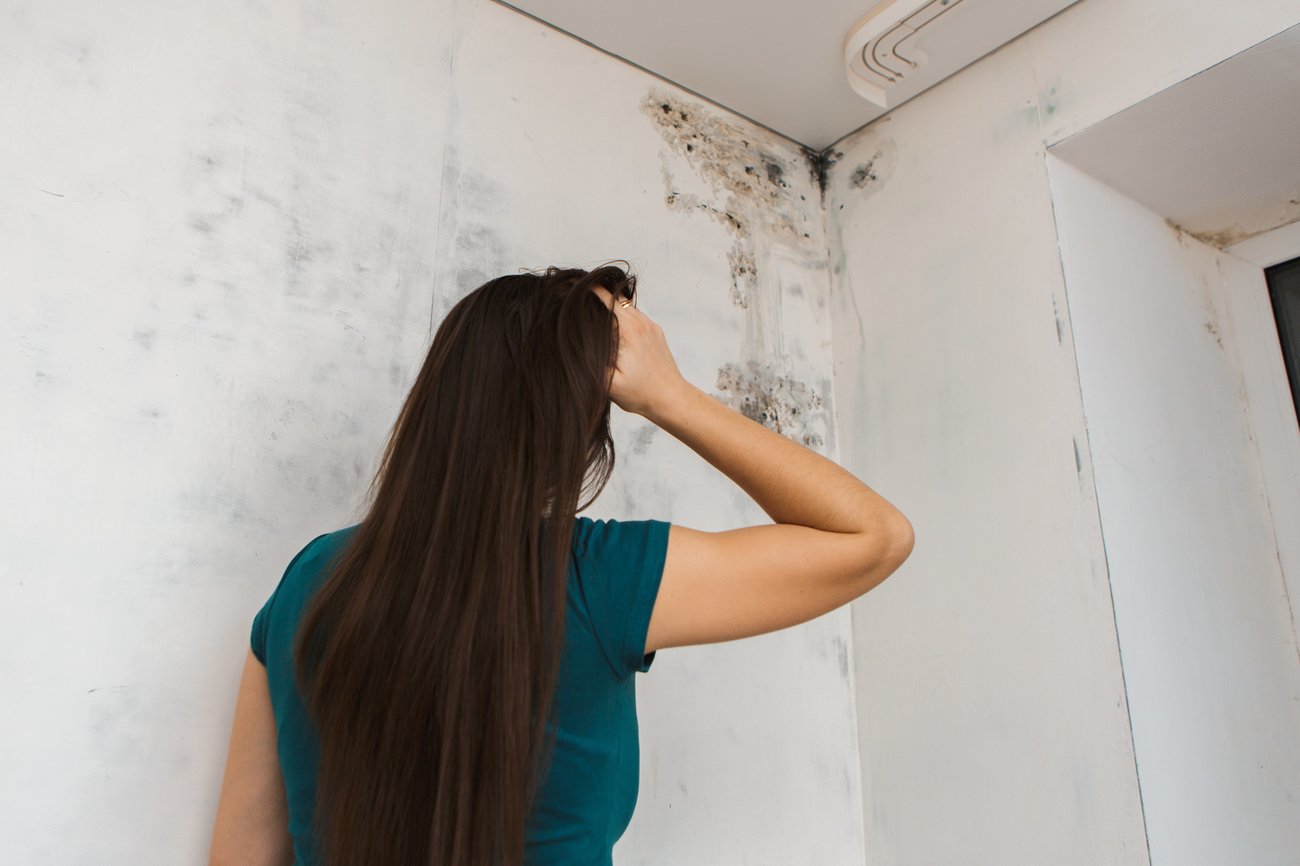
The symptoms of a mold allergy are the same as with any type of respiratory allergy: sneezing, runny nose, itchy eyes/nose/throat, nasal congestion, cough or post nasal drainage, headache, rash, even asthma. Only some types of mold spores actually cause a reaction but a mold allergy can be challenging because mold is common and thrives in so many places. A mold allergy can be year-round or flare up when the weather is damp and rainy or you are in a damp space.
Unusual Places Where You May Find Mold
- Large warehouse stores
- Greenhouses, florists, farms, the “petting zoo”
- Antique stores
- Construction sites
Tip – Before you go back-to-school shopping, take your allergy medication or bring a dust mask. For those with a mold allergy or sensitivity, just touching or inhaling mold spores can provoke a reaction.
Outdoor Sources of Mold
- Piles of leaves (yes, you meant to pick them up)
- Mowing over that pile of leaves from last Fall
- Wood piles
- Dirty gutters
Tip – Shower and wash your hair thoroughly after exposure and outdoor activities, especially before going to bed. Dirty gutters can be a breeding ground for mold so take advantage of the warm months and get out there and clean them.
Inside Sources Where Mold Can Grow
- A leaky faucet, no matter how small the drip
- Refrigerator drip pan
- Door seals
- Kitchen trash can
- Recycling trash can
- Damp bathroom
- Cabinet under the sink
- Damp basement- and what may be lurking there
- Moisture in walls and carpet
- Houseplants
Tip – Hanging out in the basement during the summer may keep you cooler but a damp basement can be a very moldy place. Lower the humidity in the house by turning up the thermostat or running a dehumidifier. And take a look at what you’re storing down there- Mold can grow on old papers, bedding, toys, and clothes. Keep things in air-tight, water-proof containers, so mold can’t sneak in. Always run the exhaust fans to ventilate bathrooms and the kitchen. Choose flooring such as linoleum or concrete that doesn’t hold in moisture.
Tip – Always use high HEPA air filters as a stand alone unit or on air conditioners and change filters frequently!
Other Sources of Mold
Molds can grow on dirt in houseplants or on certain foods and wine.
Tip – Mold can be avoided by wearing a mask when taking off the top layer of the soil in a plant’s pot where mold usually grows. Foods to avoid include pork, wine, mushrooms, jams, jellies, potatoes, coffee, sauerkraut and dairy products.
Once you identify the source it can be fixed, and one source of mold eliminated. There may be several different sources of mold and it is best to reduce your exposure to the mold. A patient can improve tremendously as we slowly identify and correct each mold problem over the course of months with mold allergy treatment. Allergies affect both the immune system and the autonomic nervous system. NIHA’S dual allergy testing and treatment strategy addresses both the immune system response and the autonomic nervous system response to allergens like mold and provide symptom relief.