
Lyme Disease & Co-Infections
Lyme Disease is an infection caused by the spirchete bacteria, Borrelia burgdorferi (Bb), which can cause a constellation of symptoms.
- Symptoms of Lyme can include lack of energy to crushing fatigue, joint pain, muscle pain, fibromyalgia, sleep problems
- Lyme neurological problems can include brain fog, vision disturbances, headaches, memory loss
- Symptoms may be unexplained, especially if you were not aware of a tick bite. An acute infection comes on suddenly, similar to flu symptoms and a tick bite or bulls eye rash may or may not be seen.
- Lyme Disease can range from a sudden acute Lyme infection to a slow erosion of health from persistent Lyme Disease.
- A persistent or chronic Lyme infection or “Lyme presence” may result from prior exposure and may present as a general decline in health or persistent health problems of unknown cause, or may exhibit as a set of brand new symptoms, which can be mild or severe.
There are at least 5 subspecies of Borrelia burgdorferi, over 100 strains in the US, and 300 strains worldwide. This diversity is thought to contribute to the antigenic variability of the spirochete to evade being picked up on Lyme testing, evade the immune system and antibiotic therapy, leading to chronic infection. Furthermore, a person with Lyme disease may be co-infected with other organisms and co-infections often require different antibiotic therapy compared to Lyme Disease.
Integrative Treatment Of Lyme Disease And Co-Infections
Acute Lyme Disease infection responds well to aggressive antibiotic, anti protozoal therapy. There is no universally accepted treatment. During chronic or persistent Lyme infection, the organism burrows deep into tissues that some antibiotics can reach only marginally. This is but one of many reasons why a two-to-four week treatment cannot eliminate chronic infection. The two most common reasons people do not respond to Lyme Disease treatment are untreated co-infections and/or the presence of heavy metals in the body.
The consensus opinion of the International Lyme and Associated Diseases Society (ILADS) and many other healthcare professionals is that an individualized treatment approach is necessary based on clinical judgment.
- Reduce the Lyme Disease and Microbial Burden on the Body
- Support the Immune System
A logical way to approach Lyme Disease treatment is to reduce the microbial burden in the body- clear it out- and restore immune function, thus restoring healthy balance again. The Lyme burden may be cleared out of the body with antibiotics and/or herbal supplements. Immune system support is key to health and healing.
Multi-Faceted, Integrative Medical Treatment to Lyme Disease
There is no universally accepted treatment. During chronic infection the organism burrows deep into tissues that some antibiotics can reach only marginally. This is but one of many reasons why a two-to-four week treatment cannot eliminate chronic infection. The consensus opinion of the International Lyme and Associated Diseases Society (ILADS) and many other healthcare professionals is that an individualized treatment approach is necessary based on clinical judgment.
We find that no one treatment option works best for everyone and the Lyme Disease treatment plan must be customized based on history, physical exam and symptoms. We participate in the following communities for the most up to date Lyme Disease information: ILADS, Burrascano, Buhner, Klinghardt.
Lyme-literate practitiioners have received additional education and training specifically for insect borne illness (like Lyme Disease) and will treat based on your history and symptoms using a multi-faceted holistic approach for the best outcome.
Lab Testing for Lyme Disease
We use the most reliable and up to date Lyme Disease and co-infection lab tests available including traditional lab testing, Igenix, Neuroscience, Western Blot, CD 57, Urine test for babesia and other specialty lab tests as needed or inidicated by symptoms.
Of the many patients with acute culture-proven Lyme disease, 20–30% remain seronegative on serial Western Blot sampling. Antibody titers also appear to decline over time; thus while the Western Blot may remain positive for months, it may not always be sensitive enough to detect chronic infection with the Lyme spirochete.
Visual Contrast Sensitivity Testing, commonly known as Visual Contrast Testing, was originally developed by the U.S. Military Medical Services as a visual assessment for jet fighter pilots. It is a testing measure for the ability to see details at variable contrast levels of grey. While in fact it is a nonspecific test of neurological immune functional assessment- it is found to possess a high degree of accuracy and sensitivity for biotoxin exposure.
Facts about Lyme Disease
- Lyme Disease can be hard to diagnose and may present a confusing picture. 50% of people with documented Lyme do not have a history of tick bite or rash.
- Lyme Disease is today’s “modern masquerader” and can masquerade as arthritis, chronic fatigue syndrome, fibromyalgia, Bell’s palsy, Multiple Sclerosis, ALS, Alzheimer’s, neurological disorders or psychiatric disorders, especially in the later stages. Lyme Disease presents in a variety of ways.
- Lyme Disease is the most common vector-borne infection in the USA and Europe. About 90% of cases occur in the Northeast and Mid-Atlantic states, with Maryland one of the top 10 states.
- Co-infections and other opportunistic chronic infections such as bartonella, babesia, erlichia,candida, parasites and herpes virus are often found with Lyme Disease. The presence of co-infection with these organisms points to probable infection with the Lyme spirochete as well. If these coinfections are left untreated, their continued presence increases morbidity and may prevent successful treatment of Lyme disease.
- Lyme Disease can evade the immune system and may not show up on diagnostic Lyme tests.
- If you suspect Lyme Disease it it important to treat it as early as possible.
What to do if you find a tick:
1. Remove the tick immediately with tweezers, pulling straight out.
2. Save the tick in a plastic baggie with a damp cotton ball. Ticks can be sent out and tested for Lyme and co-infections.
3. Call our office as soon as possible to schedule an appointment.
Related Information
Chronic Inflammatory Response Syndrome (CIRS) and Lyme Disease
Helpful Links
ILADS International Lyme and Associated Diseases Society
National Capital Lyme Disease Association
Exclusive NIHA Lyme Disease & Co-Infections Articles

Lyme Disease, Epstein Barr Virus and the Immune System
Throughout my years in practice, I have developed a method of eliciting a positive Lyme Disease diagnosis from a typically negative western blot in those I feel fit the picture of a Lyme sufferer. These symptoms can include but are not limited to fatigue, joint pain,...
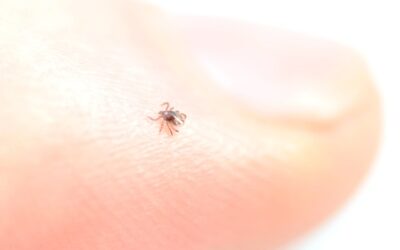
A Different Look at Lyme Disease
The internet is teeming with information about Lyme Disease. Information about how it is contracted, the symptoms it causes, the treatments that do and don't work is available on multiple websites. The information about Lyme Disease on sites like Thrive Global is...
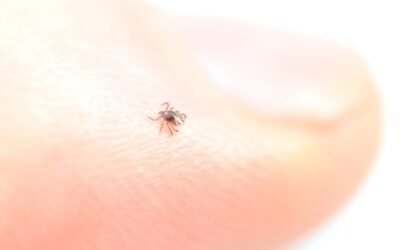
Tick Tock…Lyme Disease Season Is Here
Some information bears repeating. It is finally summer and time to get outside and hike, bike, and garden. As more of us venture outside wearing warm weather clothing and exposing more skins, ticks see a smorgasbord. Armed with the knowledge that the Lyme Disease...